We understand that every child is different, and transitioning into a new rhythm can take time. We approach each child with patience, warmth, and consistency, meeting them where they are. Our teachers gently guide them into the day’s activities and offer plenty of comfort, connection, and one-on-one support. Most children begin to feel at home within a few days or weeks, but we honor each child's unique pace.
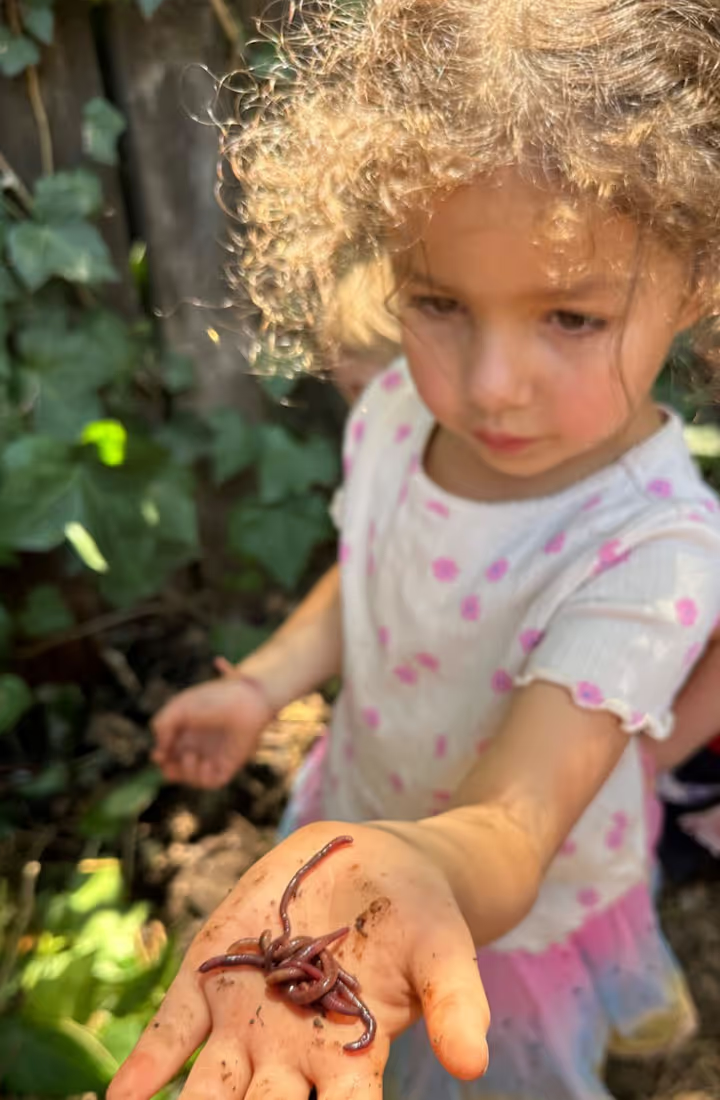
Our days follow a comforting rhythm that includes free play, gardening, circle time with songs and movement, wholesome meals, nature walks, rest, and creative activities such as painting, baking, or seasonal crafts. The structure is predictable but flexible, allowing your child to feel secure while also exploring new experiences. Each activity is designed to support social-emotional growth, sensory development, and a deep love of learning.
We serve warm, nourishing, organic meals made with love. Our food is simple, seasonal, and wholesome—think warm porridge, vegetable soups, fresh fruit, whole grains, and garden-grown produce. We are mindful of allergies and dietary needs and strive to make mealtime feel like a shared ritual that nourishes both body and spirit.
We believe every season has gifts to offer. On rainy days, children play under covered areas, wear rain gear, and discover the joy of puddles and mud. In colder weather, we bundle up and keep moving, and we also have warm, cozy indoor spaces when needed.
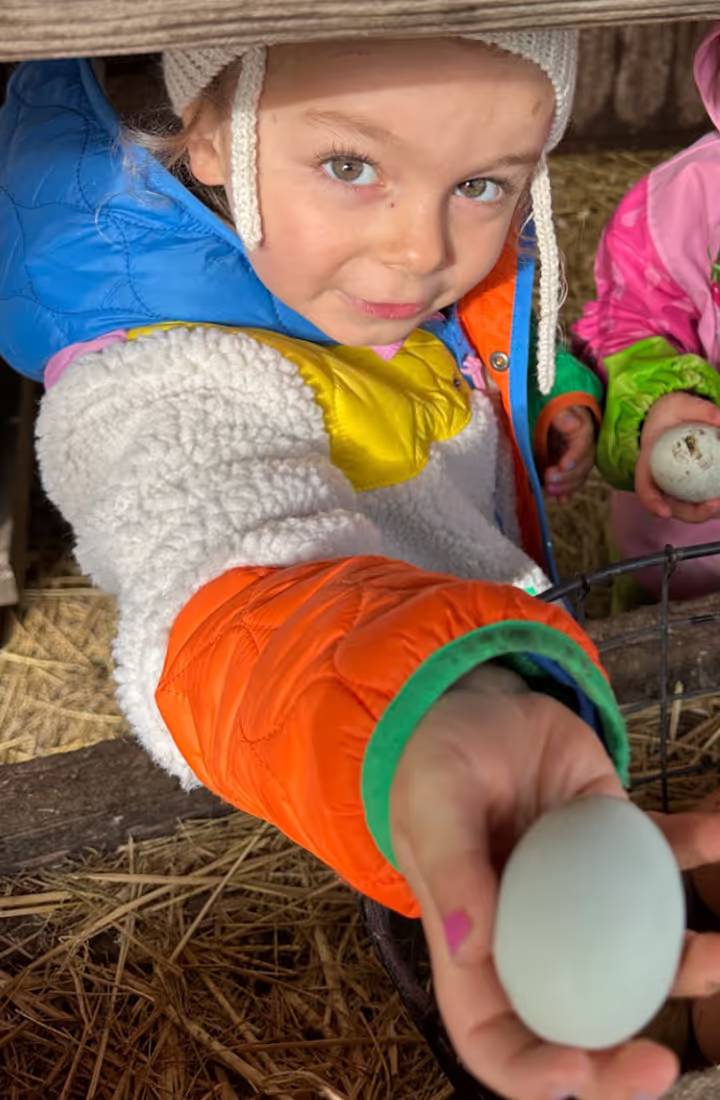
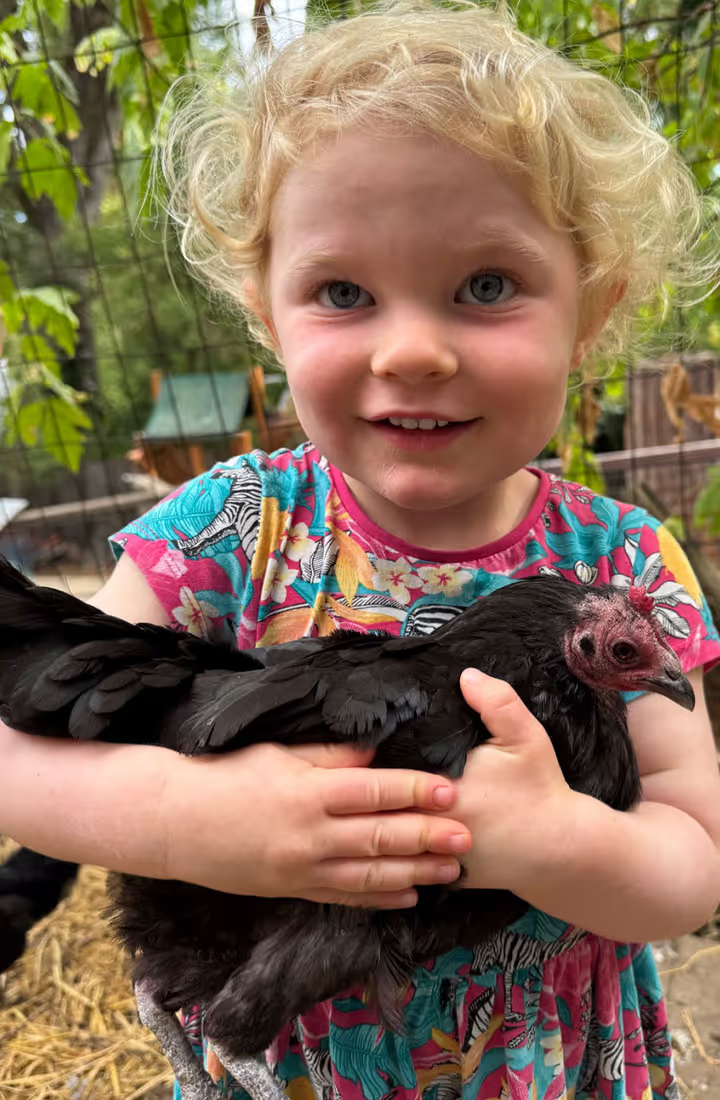
Our animals are part of the children’s extended family. Feeding the rabbits, collecting eggs, and caring for the chickens helps children develop responsibility, empathy, and a deep respect for living beings. These simple daily tasks are some of the most treasured moments at Tree Sprites.
We see each child as an individual and meet them where they are. Through stories, play, and gentle guidance, children learn how to navigate friendships, express feelings, and resolve conflicts with kindness. Our teachers model respect and care, creating an environment where children feel truly seen and supported.
At Tree Sprites, learning is woven into daily life. Children count seeds as they plant, recognize letters in their names during art projects, and explore storytelling through drawing and song. These experiences lay a natural foundation for literacy and numeracy without taking away from the joy of play.
We keep our groups small to ensure every child receives personal attention. Our low teacher-to-child ratio allows us to nurture each child’s unique needs, interests, and pace of development, while still encouraging group connection and cooperation.
Transitions are handled with warmth and patience. We take time to build trust with both child and family, offering shorter initial days if needed. Rituals like morning songs and shared meals create a sense of security, helping children settle into the flow of their new community.
Yes! Parents are an essential part of the Tree Sprites family. From helping in the garden to joining special seasonal festivals, there are many ways to participate. We also offer parent enrichment opportunities to support your own journey alongside your child’s.
Our focus on curiosity, creativity, and resilience ensures children leave Tree Sprites confident and ready for the next step. By practicing cooperation, problem-solving, and self-expression, they develop the skills they need to thrive in kindergarten and beyond.
Safety is always a top priority. Children are supervised closely at all times, and our teachers guide them in taking safe, age-appropriate risks—like climbing, balancing, and exploring. We maintain clear boundaries in outdoor areas and ensure our equipment and spaces are regularly checked for safety.
Yes. We take allergies and dietary restrictions seriously and work with families to make sure every child feels included and safe at mealtime. Our meals are planned with care, and we always provide alternatives when needed so no child ever feels left out.